
Honky Tonk Plant Nursery
Our Plants
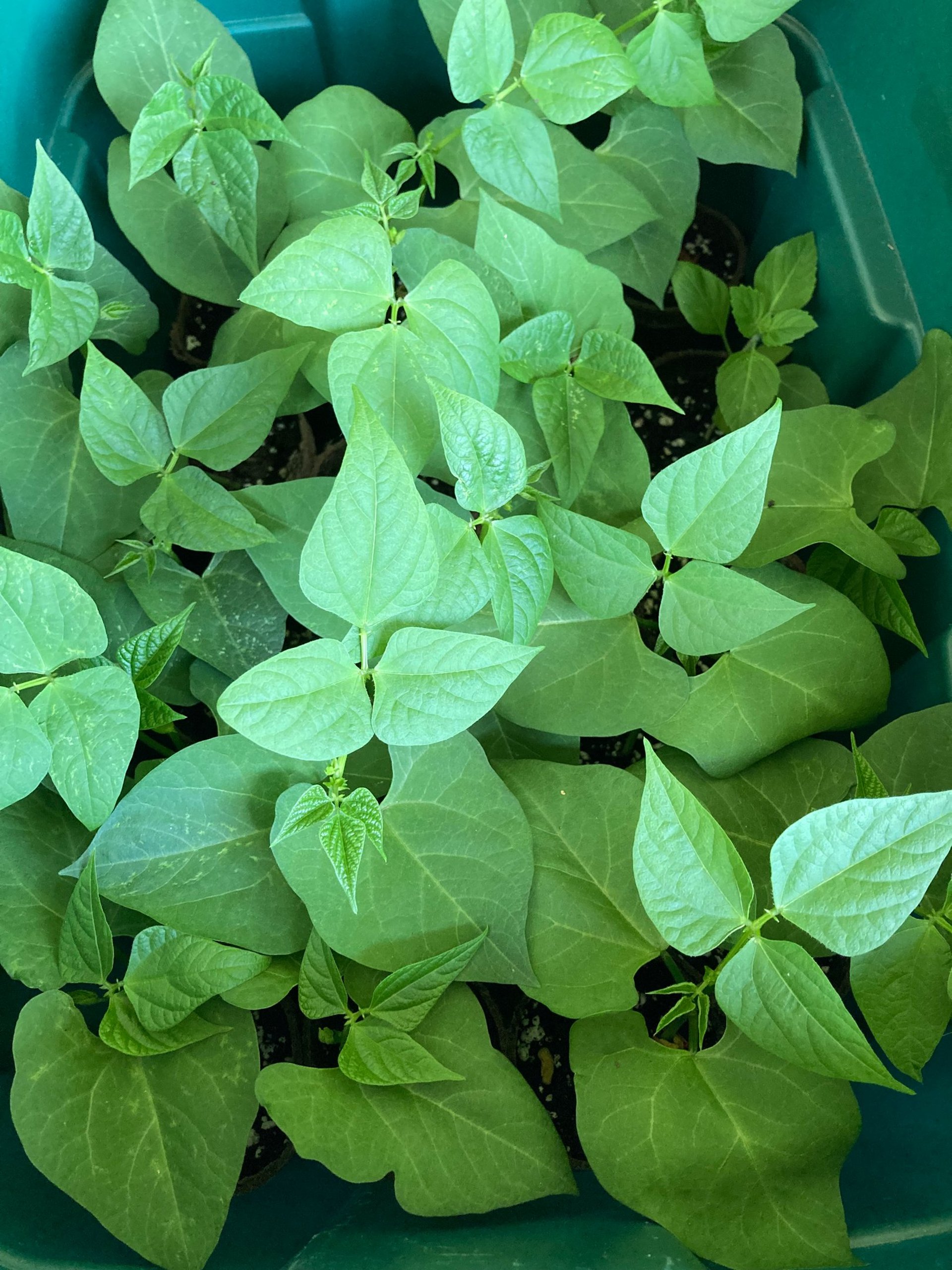
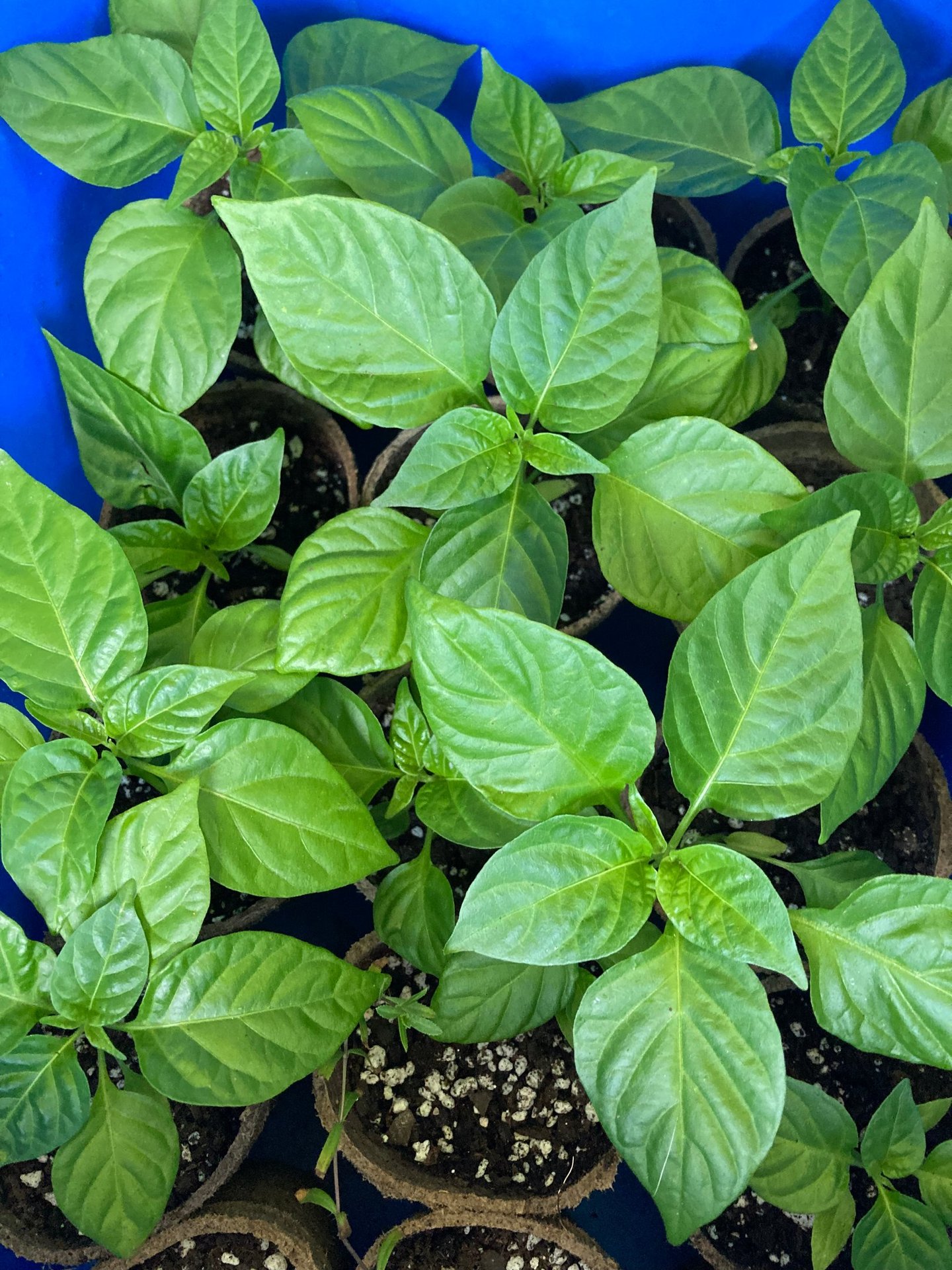
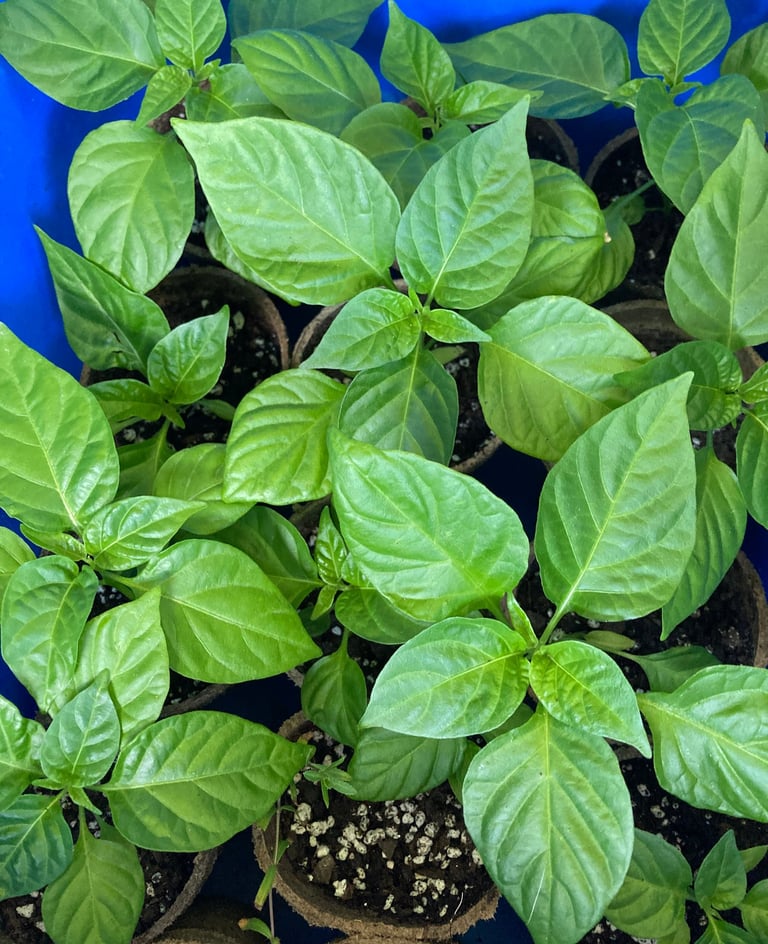
We grow unique (mostly heirloom) varieties of veggie and herb plants that are ready to go into your gardens. We grow our plants from seed in high-quality potting soil, start them indoors, and move them outside to acclimate to the weather. Our plant varieties differ with the season, but all are suitable for growing in South Carolina, and many can be grown in pots even on an apartment balcony.
Fall/Winter Garden Plants Coming Soon!
Our Causes
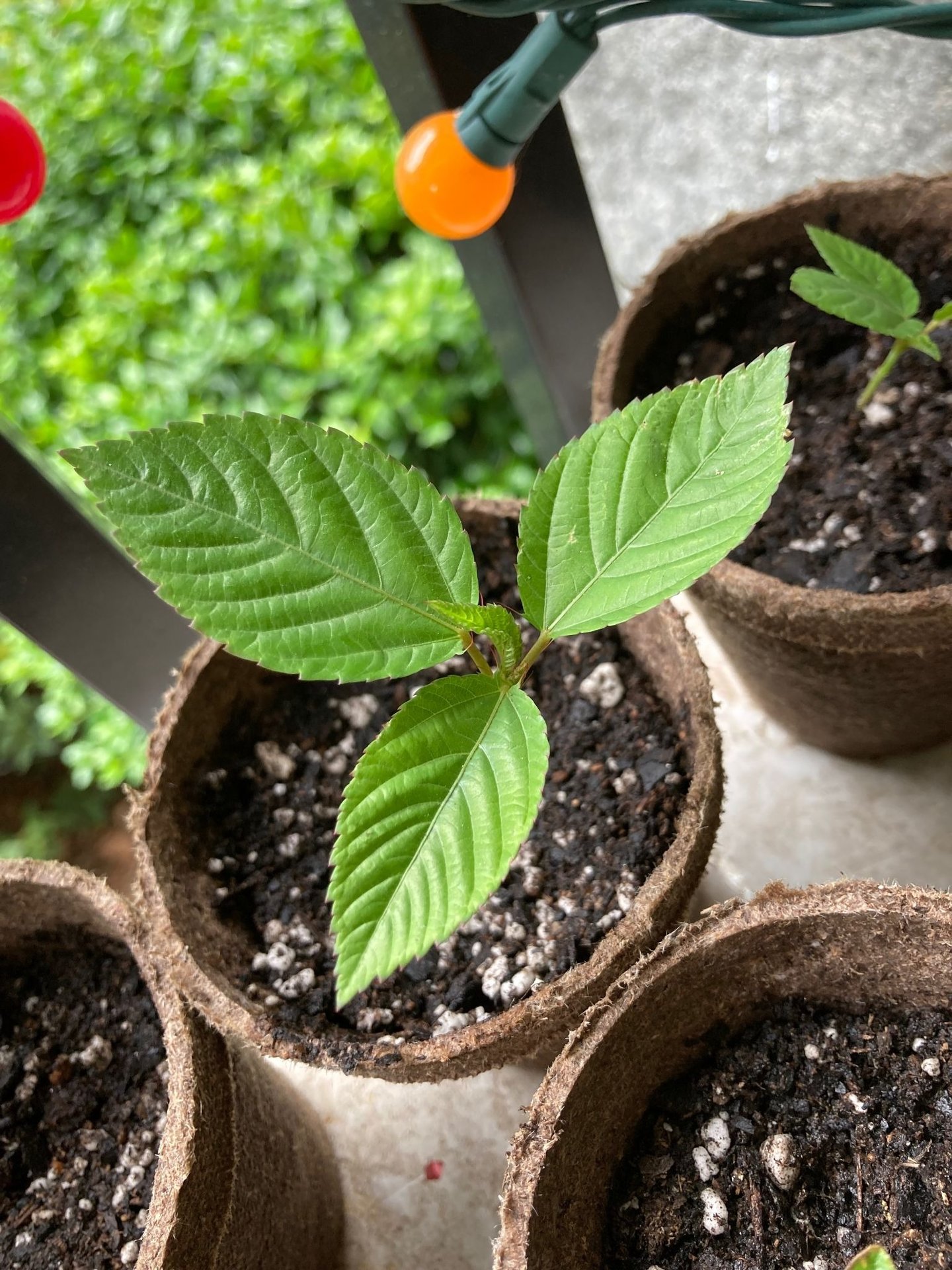
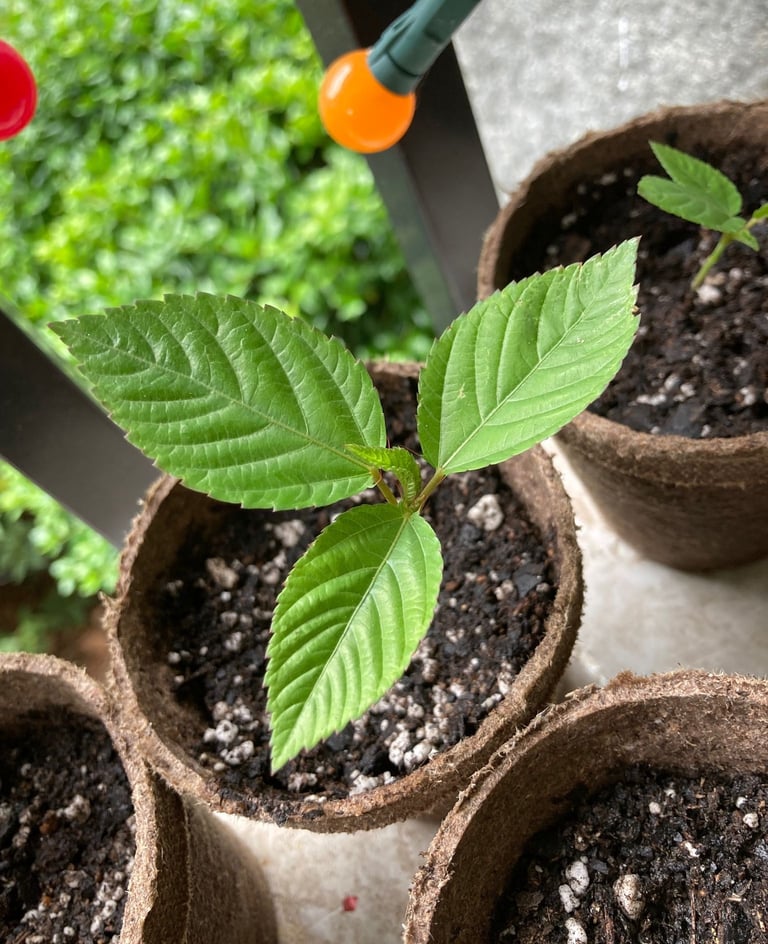
100% of the sales price of all Palestinian Molokhia plants is donated to Roots of Resilience, which fosters mutual aid and solidarity with farmers in the West Bank.
Roots of Resilience
Ahmed, the Little Farmer
In 2025, we donated 10% of all other sales to Ahmed, an 8-year-old farmer in Gaza, and his family, as well as to the fundraiser to reopen Al-Mawasi Clinic in Khan Younis.
We will be donating to more causes for our 2026 sales and are currently considering mutual aid funds that support people facing the brunt of U.S.-Israeli imperialism in Lebanon, Palestine, Iran, and beyond.
Cool-Season Gardening
Did you know that you can grow veggies and herbs in the fall and even the winter in South Carolina? Gardening during the cool season involves different plants and different strategies than summer gardening. Many leafy greens and root crops grow best in cooler weather, and the frost even changes the flavor of crops like collards, kale, and spinach.
To help plants survive cooler temperatures, utilize these strategies:
Mulch: Apply a layer of mulch to keep the plants' roots warmer. Consider using leaves you raked (shred them, or break them up). Keeping leaves on your property provides crucial habitat for hibernating native pollinators. If using wood as mulch, avoid dyed options.
Water: Keep your plants well-watered, but as temperatures cool and the sun is out less, the soil will take much longer to dry out than during the summer, so adjust watering frequency accordingly. If a freeze is predicted, water before since roots can't take up water from frozen ground. (Plants in the ground often get enough water from rain.)
Cover: Extend the season by placing floating row cover or using low tunnels or cold frames to protect tender greens from early frosts. Gardening books and websites have DIY ideas.